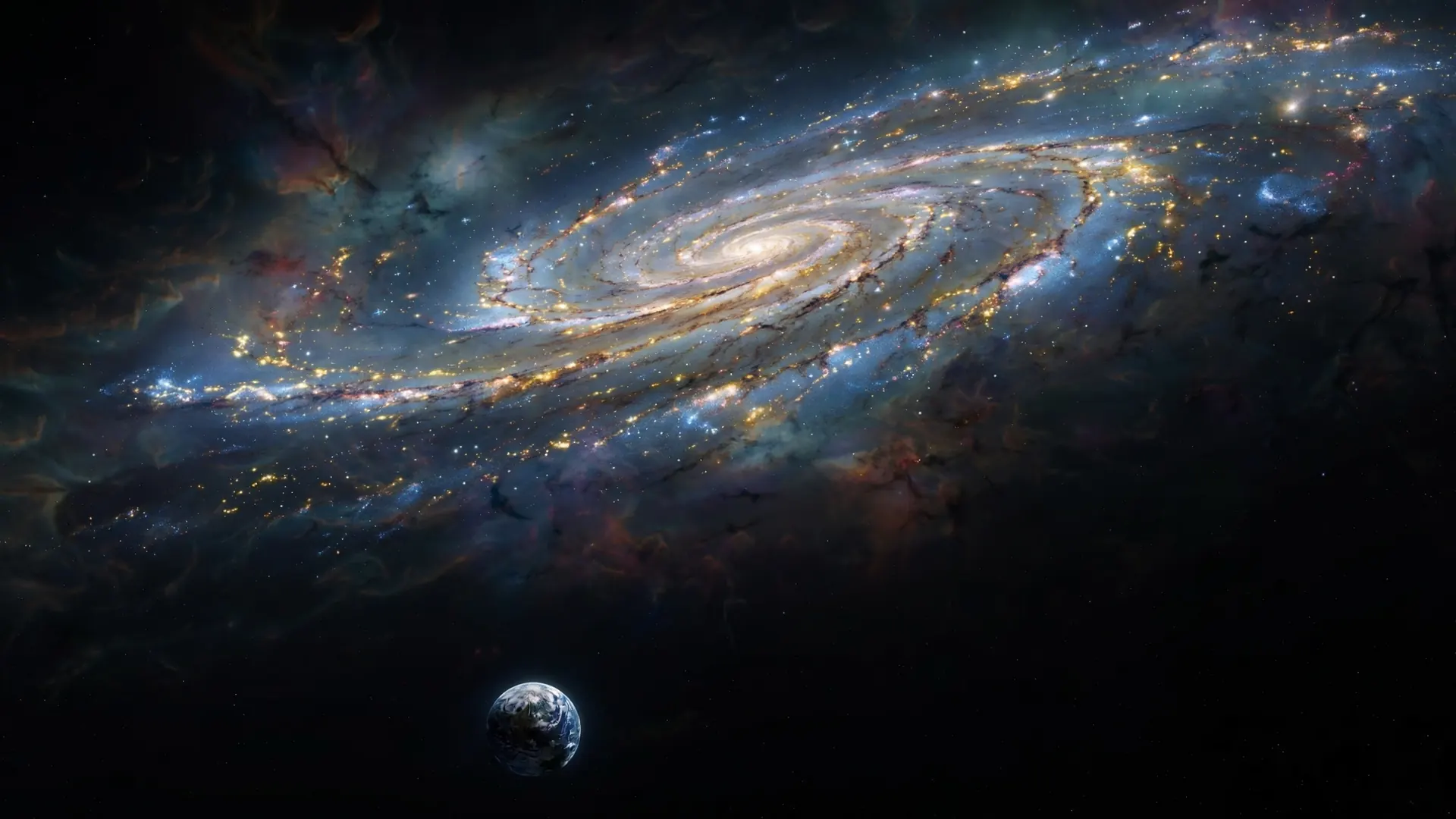
Every age of astronomy has been defined by its mysteries. The planets' wandering paths became orbital mechanics; the "spiral nebulae" became other galaxies. Today's mysteries are bigger: we have mapped the cosmic microwave background to exquisite precision and still cannot say what 95% of the universe is made of — or whether anyone else is out there wondering the same thing.
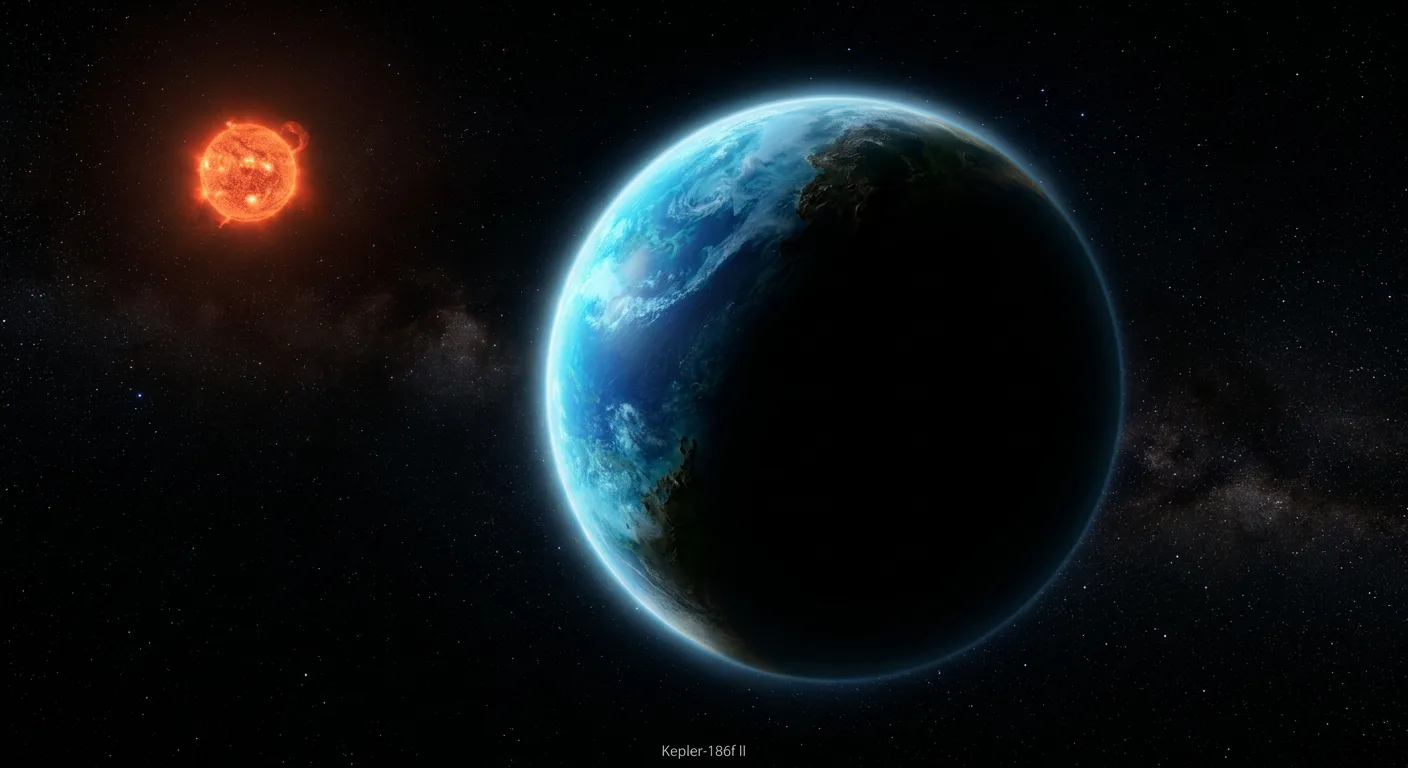
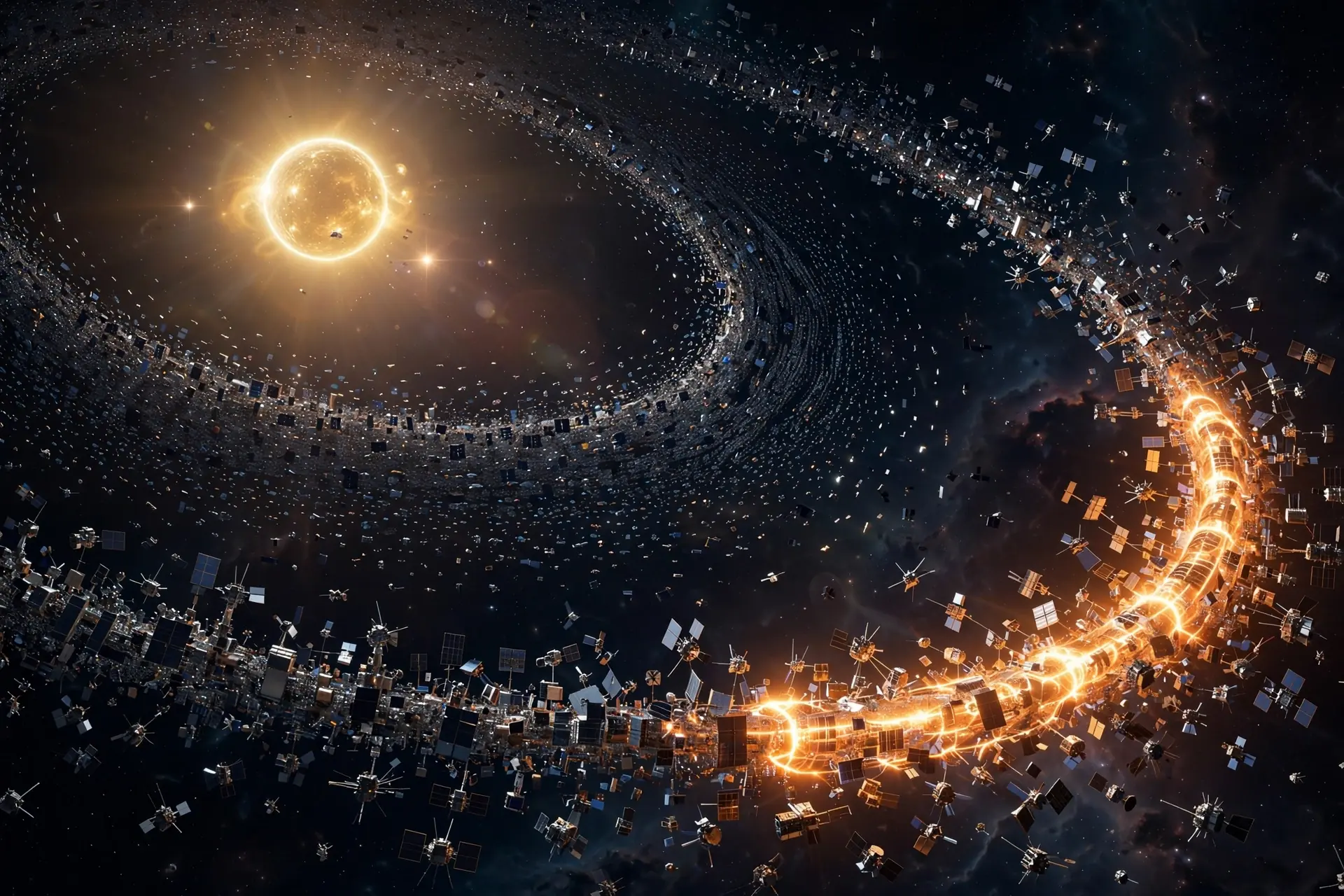
The search for life runs on two tracks. Biosignatures are chemical hints of biology: gases like oxygen, methane, or dimethyl sulfide in an exoplanet's atmosphere that are hard to make without life. The K2-18 b saga shows both the promise and the peril — a tantalizing signal, then the painstaking work of checking it. Technosignatures look for engineering instead: Dyson spheres capturing starlight, industrial pollutants, or deliberate beacons. A sufficiently advanced civilization might be far easier to spot by its works than by its microbes.
Meanwhile, some mysteries may have nothing to do with life at all. Fast radio bursts release staggering energy in milliseconds; a few repeat on clockwork schedules no known physics cleanly explains. They are a reminder that the universe still produces phenomena we have no framework for — the modern equivalent of the pulsars that were briefly, half-seriously, labeled "LGM" for Little Green Men.
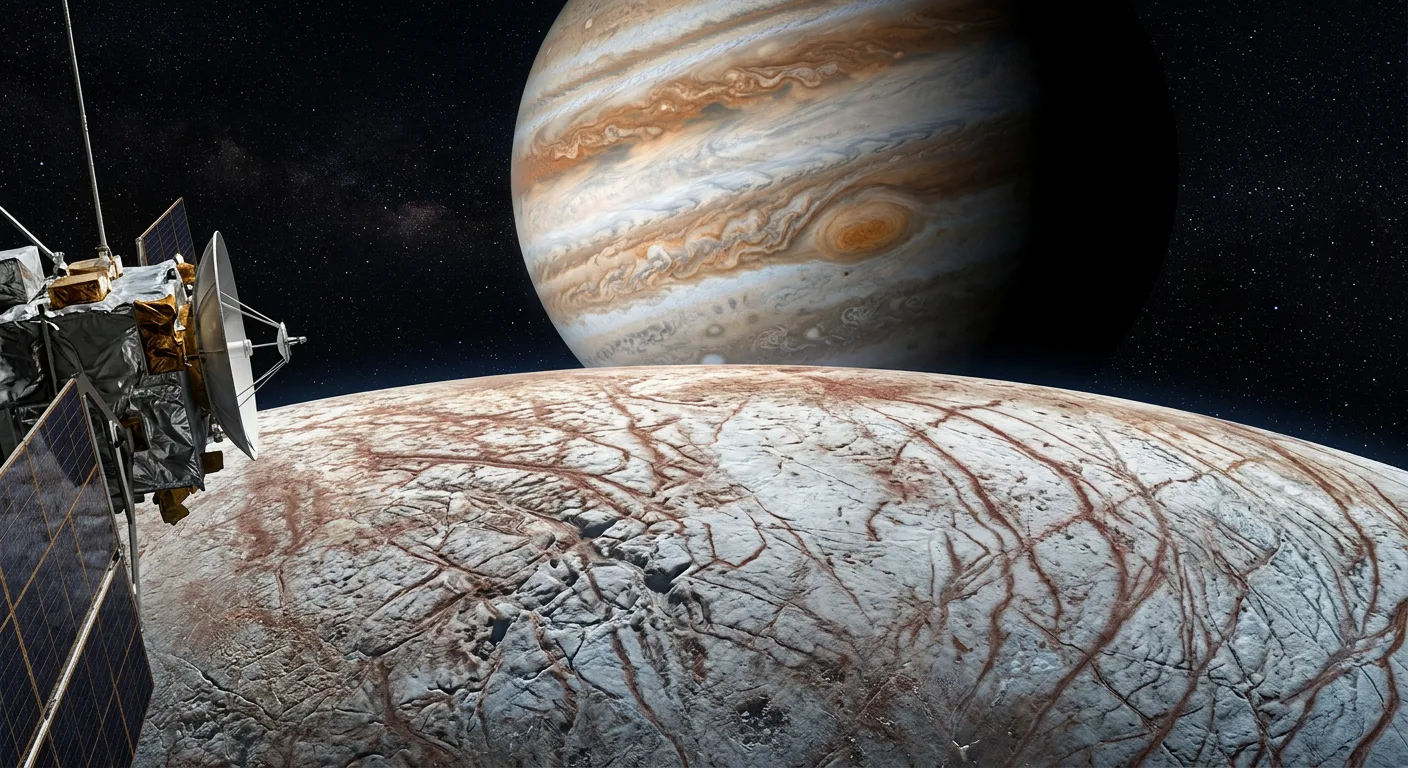
And the most promising address for life may be close to home. Europa, Enceladus, and a growing census of ocean worlds suggest liquid water — the one ingredient life as we know it cannot do without — is common. If the plumes on Europa are real, we may get to taste an alien ocean within a decade, no drilling required.
The features below follow the investigation the way scientists do: start with the biggest question, chase each line of evidence, and sit honestly with what remains unexplained. Begin at stop one.
 Cosmic Mysteries